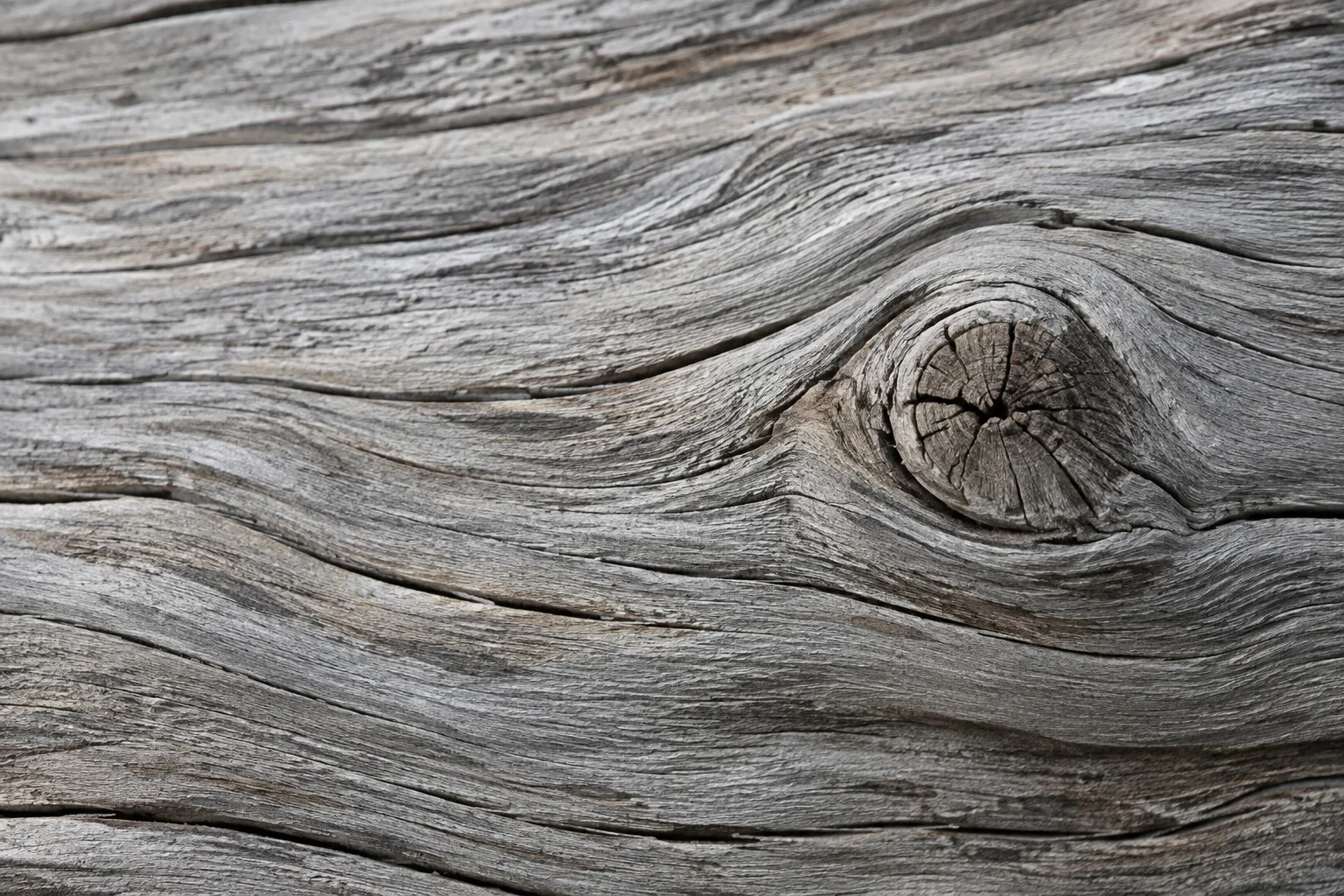
A sample can inform a decision without promising the whole project’s outcome.
Make the sample traceable
Record species or product identity as supplied, profile, finish history and sample source. If identity is unconfirmed, retain that limitation. A sample without provenance can still be a visual inspiration, but it should not be treated as evidence about a quoted product.
Match the relevant setting
Place a safely supported sample where it represents the orientation and shelter of interest, with the property owner’s approval. Record differences from the final assembly. A loose board on a table does not duplicate a wall cavity, deck surface or completed fastening system.
Document before deciding
Take a baseline photograph and observations using the same station protocol for later reviews. Set review dates for your project needs without calling them a weathering forecast. Record what the sample cannot answer, including structural suitability and long-term performance. Use it as one input to a documented choice.
- Keep product identity
- Record orientation and shelter
- Retain baseline and limitations
Evidence & scope
Surface weathering research (2020), not a forecast for a supplied board or a structural assessment.
Original planning guidance. References support their stated technical scope; examples and workflows do not establish product approval.